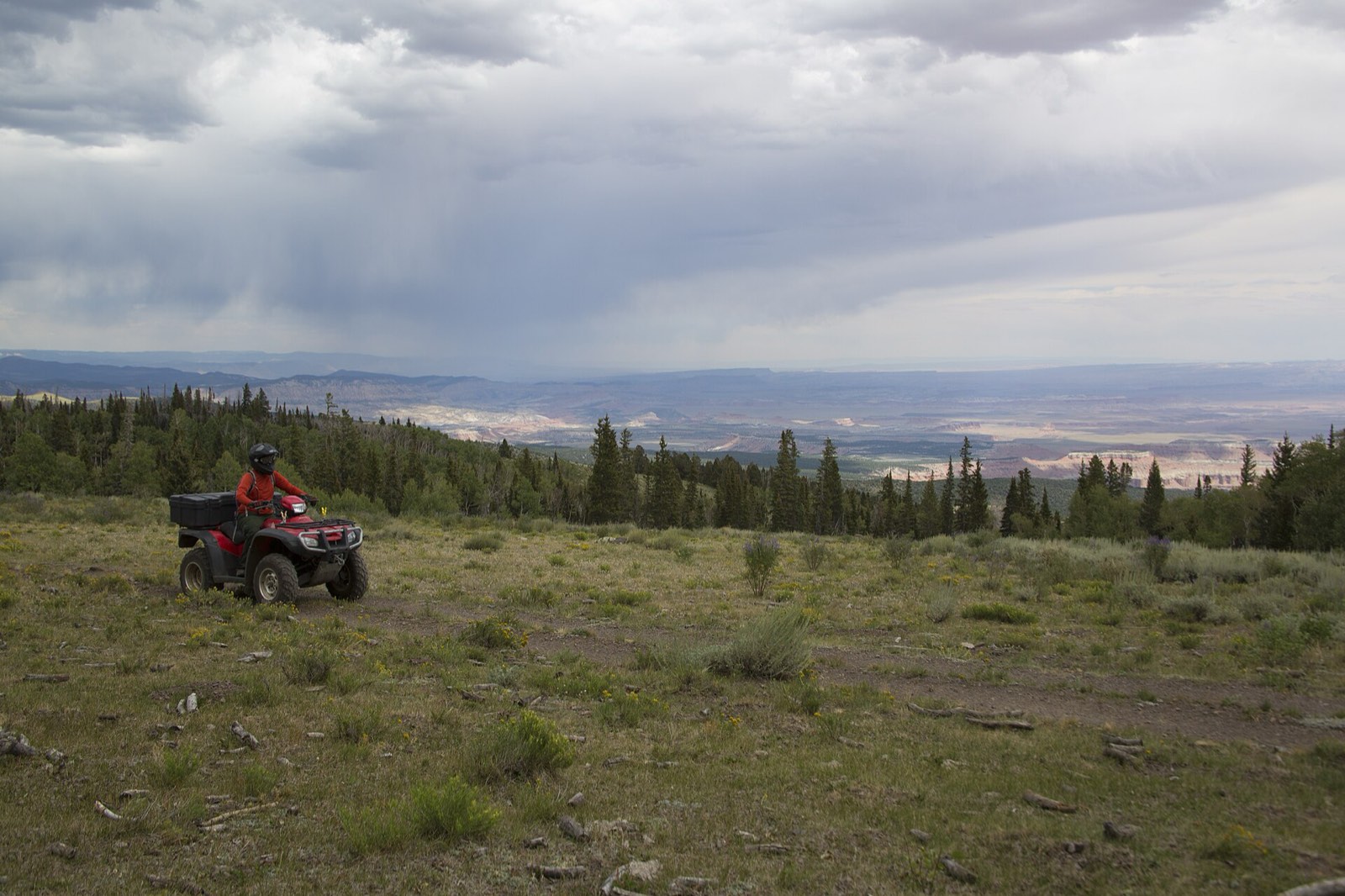
Your version of a bad day
- Short of the LZ. She came up short, flared into the hillside, and her ankle took the whole arrival. Lower-leg and ankle fractures are the sport’s tax — splint, check the toes, plan the carry.
- The reserve ride. The toss worked, and he came down under the reserve onto a scree slope, hard on his backside. Now his back hurts. Vertical deceleration is a spine mechanism — treat it like one.
- The tracker stops moving. A solo XC pilot, a dot that quit updating, and you’re the closest person with boots on. Whoever hikes in is the first responder — what you bring, what you check, how you call it in.
Start here
All 15 lessons are worth your time, but this order front-loads what your world serves up:
- Spine & Helmets — vertical deceleration is the mechanism this sport manufactures
- Musculoskeletal Injuries — ankles and lower legs pay for hard landings
- Patient Assessment — a system that works on a 40-degree slope
- Airway & Breathing — an unresponsive pilot under a wing needs positioning first
- Evacuation — no trail, no road — coordinates, messengers, and the call
Then pressure-test it
Interactive scenarios — one decision at a time, tempting mistakes included, debrief at the end:
- Don’t Sit Him Up — neck pain, weather inbound, and the urge to prop him up
- Wiggle, Feel, Warm — the fracture, the splint, and the re-check
- Two Go, One Stays — getting help to a hillside with no address
The certification question, honestly. “Wilderness First Aid” isn’t a regulated credential. No government body defines what a WFA card means — it means whatever the company that printed it says it means. What counts in front of a patient is whether you can do the work. This course teaches the work, free, and issues a record of completion — not a certificate, and we won’t pretend otherwise. USHPA ratings certify your flying, not your medicine. If a comp, tandem operation, or instructor pathway wants a WFA or WFR card, take that class — this gets you fluent before it and keeps you sharp after. If nobody requires you to hold a card, what you need are the skills, not the laminate.
What this is
Fifteen lessons, a 40-question knowledge check, sixteen practice scenarios, a printable field reference card, and a kit checklist. Free, no account, nothing recorded about you, source on GitHub. It teaches decision-making, not hands-on skill — practice the hands-on parts on a real, padded, complaining friend.